But for engineers and maintenance leads in automotive shops, aerospace facilities, and heavy machinery operations, it’s a critical tool that can decide productivity.
How Modern Washers Can Save Your Operation Time and Money
Take the example of John Ramirez, a maintenance supervisor at a Midwest auto parts plant:
“We were losing 20 hours a week to manual scrubbing and solvent waste disposal. Switching to an automated parts washer cut that in half and reduced our chemical costs by 40%.”
Stories like this are becoming common as industries face rising labor costs and sustainability standards.
The Problem with Solvent Systems
Traditional solvent-based systems, while effective for degreasing, come with hidden drawbacks. They require frequent fluid changes, pose health risks from volatile organic compounds VOCs (volatile organic compounds), and generate hazardous waste that inflates disposal fees.
According to a 2024 report from the Industrial Cleaning Association, 65% of manufacturers report increased regulatory scrutiny on solvent use, pushing many toward aqueous parts cleaning alternatives.
These water-based methods use biodegradable detergents and high-pressure sprays to tackle grease, oil, and contaminants without the environmental footprint.
Choosing the Right Industrial Parts Washer
For professionals like you-tasked with keeping production lines running smoothly-selecting the right industrial parts washer means balancing performance, cost, and compliance.
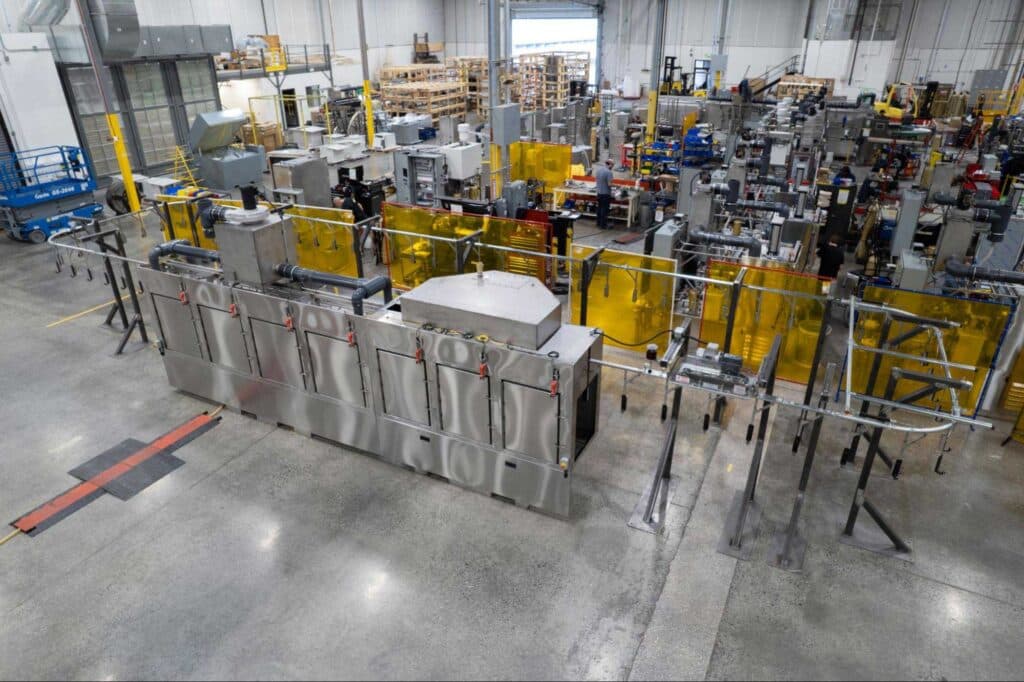
Consider the conveyor parts washers, ideal for high-volume operations: they automate the process, reduce labor needs, and ensure consistent results.
A case in point is an aerospace supplier that integrated a rotary drum parts washer into their workflow, boosting throughput by 30% while meeting FAA cleanliness standards.
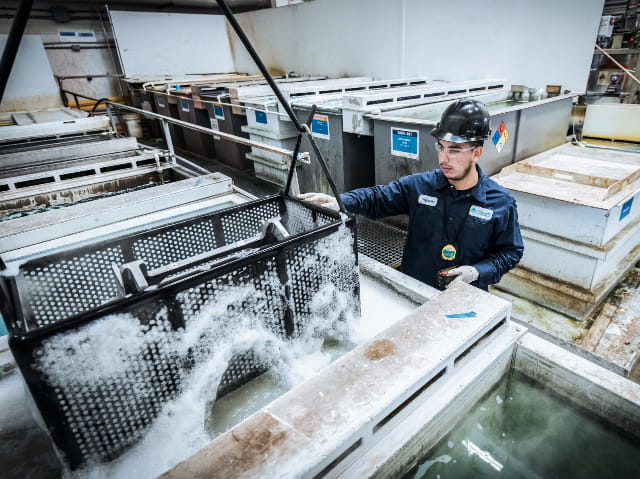
For low-volume operations, immersion parts washers provide flexibility for custom runs, where precision cleaning of intricate components is essential.
But what about the specifics?
High pressure parts washer cabinets excel in removing stubborn residues from engine blocks or transmission parts, using targeted jets to minimize water usage-up to 50% less than traditional methods, per EPA guidelines.
For those dealing with sensitive electronics or plastics, ultrasonic parts washing provides vibration-based cleaning that avoids damage, a game-changer for precision manufacturing where even micro-contaminants can cause failures.
Customizable Washer Solutions
The key is assessing your needs: Are you handling oily automotive parts or delicate aerospace alloys? Custom parts washers can be tailored, incorporating features like heated tanks for faster drying or filter systems for extended fluid life.
As Ramirez notes, “The initial investment in an aqueous system paid for itself in six months through reduced downtime and waste fees.”
Upgrade to Modern Solutions
If you’re ready to upgrade, explore options like the Magido X-51 Series spray cabinet parts washer, designed for durable, eco-friendly performance.
Visit our site to learn more about how these solutions can transform your operation.
What’s your biggest cleaning challenge? Share in the comments–we’re here to help.