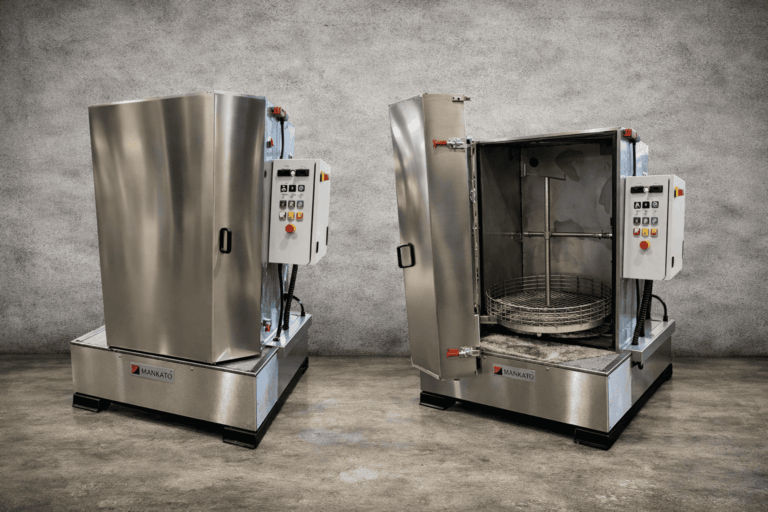
Understanding the True Cost of Parts Cleaning
Cleaning parts is more complex than it seems. Numerous factors contribute to the total cost of cleaning parts. These include labor, detergent, energy, and maintenance.
Labor is often a significant expense in manual cleaning. Industrial parts washers reduce this by automating the process. This leads to direct savings on labor costs.
Detergents and solvents also play a role. The type and quantity used impact both cost and environmental compliance. Choosing the right solution balances efficiency and cost.
Energy consumption is another factor. Industrial washers can be energy-intensive. However, efficient models reduce both energy use and cost.
Maintenance costs should not be overlooked. Regular servicing extends the life of the washer and ensures optimal performance. Here’s a list of key cost factors:
Labor expenses
Detergent and solvent costs
Energy consumption
Maintenance and repair costs
Understanding these components aids in making informed decisions about parts cleaning investments.

Calculating Cost Per Clean Part: Key Factors to Consider
Determining the cost per clean part helps measure efficiency. It’s essential for evaluating cleaning processes in your facility. This metric provides insight into total cleaning expenses.
Start by calculating labor costs per clean part. This involves assessing the time required for cleaning divided by the number of parts processed. Efficient processes reduce this cost significantly.
Next, consider material costs like detergents and solvents. Track the volume used per part to get accurate figures. This helps to identify areas where you can save.
Energy consumption is another crucial factor. Energy-efficient parts washers contribute to lower utility costs. Monitoring this helps in selecting the optimal machine for your needs.
Finally, don’t forget maintenance. Regular upkeep minimizes downtime and extends equipment life. Maintain records to calculate these costs accurately over time. Here’s a list to summarize key factors:
Labor and time required
Detergent and solvent usage
Energy consumption
Regular maintenance
What Is ROI for an Industrial Parts Washer?
Return on Investment (ROI) gauges the profitability of purchasing an industrial parts washer. It evaluates if the investment yields financial benefits over time. A strong ROI indicates cost-effectiveness and efficiency.
To assess ROI, consider both direct and indirect savings. Direct savings come from reduced labor, energy, and material costs. Indirect savings include less downtime and extended equipment life, which boost productivity.
Calculating ROI involves comparing initial investment costs to anticipated savings. It’s crucial to estimate payback periods accurately. A shorter payback period suggests a wiser investment. Here’s a list outlining typical ROI benefits:
Reduced labor and material costs
Lower energy consumption
Decreased machine downtime
Improved operational efficiency
Understanding these aspects aids in making informed decisions. Proper calculations justify the investment to stakeholders and drive business growth.
Step-by-Step Guide: How to Calculate Parts Cleaning ROI
Calculating ROI for an industrial parts washer involves several steps. Accurately identifying all costs and benefits is key. This helps in making the business case compelling.
First, outline the initial purchase and installation costs. Include equipment price, setup fees, and training expenses. These comprise your initial investment.
Next, estimate ongoing operational costs. Think of energy, maintenance, and detergent costs. Factor in labor costs, especially if automation reduces manual cleaning requirements.
Then, list potential savings that the washer brings. Reduced labor hours, less downtime, and extended equipment life should be considered. Improved part cleanliness can enhance product quality.
Measure indirect benefits, too. Reduced chemical exposure increases workplace safety. Environmentally friendly options might lower regulatory costs. Don’t neglect these advantages.
Now, summarize these data points in a clear report:
Initial Costs:
Equipment purchase
Installation and training
Ongoing Costs:
Energy and maintenance
Consumables and labor
Finally, calculate ROI using this formula:
ROI = (Total Savings – Total Costs) / Total Costs × 100
This calculation gives a percentage. A high percentage indicates that the investment is worth pursuing.

Presenting these calculations to stakeholders with supporting data can validate the investment decision. This methodical approach strengthens your business case for acquiring an industrial parts washer.
Comparing Types of Parts Washers: Industrial vs. Portable
When selecting a parts washer, decide between industrial and portable models. Each type offers distinct advantages tailored to different needs.
Industrial parts washers are robust and versatile. They handle large volumes and heavy-duty cleaning tasks. Their advanced features improve efficiency but require a higher upfront investment.
Portable parts washers, on the other hand, offer flexibility. They are ideal for smaller operations or specific tasks. Portability allows easy movement and storage, suiting varied job sites.
Consider the following when comparing these types:
Capacity and Size: Large for industrial, compact for portable.
Maintenance and Costs: Higher for industrial, lower for portable.
Application Needs: Intensive use for industrial, intermittent for portable.
Ultimately, the choice depends on your specific cleaning requirements and budget constraints. Understanding these factors ensures you select the right solution for your operations.
Features to Look for: A Parts Washer Buying Guide
Choosing the right parts washer involves understanding key features. These features ensure the washer meets your operational demands and efficiency goals.
Consider the cleaning technology employed. Some washers use aqueous solutions while others rely on solvents. Technology impacts both effectiveness and environmental compliance.
Assess the size and capacity of the washer. Ensure it matches your volume requirements. Oversized washers may waste resources, while undersized units can bottleneck processes.
Key features to evaluate include:
Cleaning Technology: Aqueous vs. solvent-based.
Size and Capacity: Match operational needs.
Energy Efficiency: Reduce long-term costs.
Safety Features: Protect users and parts.
Ease of Maintenance: Minimize downtime.
Investigating these elements helps in making an informed purchase decision. A well-selected washer enhances productivity and minimizes operational costs. Choose wisely to maximize your return on investment.
Building a Business Case: Presenting ROI to Stakeholders
Convincing stakeholders requires a strong business case that highlights potential benefits. Focus on demonstrating how the parts washer can improve operations and financial outcomes.
Start by presenting data on cost savings. Show reductions in labor and cleaning time. Highlight potential decreases in chemical usage and disposal costs.
Detail efficiency improvements. Explain how the washer reduces downtime and enhances productivity. Link these benefits to broader business objectives.
Key points to present include:
Cost Savings: Reduced labor and material costs.
Efficiency Gains: Improved productivity and uptime.
Environmental Impact: Compliance and reduced waste.
Alignment with Goals: Supports growth and strategic initiatives.
A clear and well-supported case underscores the value of the investment. This prepares stakeholders for informed decision-making.
Real-World Examples: ROI Success Stories
Seeing is believing, and real-world success stories can provide compelling evidence. Companies that have invested in parts washers often report significant ROI.
Consider a manufacturing firm that cut labor hours in half by automating its cleaning process. This switch led to substantial cost savings and boosted efficiency.
Another example is a small business that improved product quality by ensuring parts were spotless before assembly. This change reduced rejects and increased customer satisfaction.
Key results experienced by businesses:
Labor Reduction: 50% decrease in cleaning time.
Quality Improvement: Fewer rejected products.
Enhanced Satisfaction: Higher customer feedback scores.
Maximizing ROI: Maintenance, Training, and Continuous Improvement
Maintaining parts washers is crucial for maximizing their ROI. Regular upkeep ensures efficient performance and prevents costly downtimes.
Training staff on proper use and maintenance is equally important. Well-trained operators can ensure optimal cleaning processes and identify potential issues early.
Continuous improvement strategies can further boost ROI by identifying areas for increased efficiency.
Key strategies include:
Regular Maintenance: Scheduled check-ups and cleaning.
Staff Training: Ongoing education and skill development.
Process Evaluation: Consistent performance monitoring and adjustments.
These efforts enhance the long-term value of your parts washer investment and support sustainable operations.
Conclusion: Making the Smart Investment in Parts Cleaning
Investing in a quality industrial parts washer can transform your operations. The right machine brings about significant efficiency and long-term cost savings.
Building a business case for a parts washer involves understanding its ROI and impact on overall productivity. By considering maintenance, training, and continuous improvements, you can maximize this investment. Enhance your competitive edge with a smart choice in parts cleaning that aligns with your business goals and sustainability commitments.
Contact Us for a free process evaluation!