A replacement part that looks right can still be wrong for the machine. Before sourcing magido parts washer parts, identify the washer model and the component you need. A mismatch can add troubleshooting and keep a cleaning operation offline longer.
If your parts washer is down, start with the machine details and available documentation. Then describe the component and match it to the specific model instead of relying on appearance alone.
This guide explains how to identify your Magido washer, narrow down the replacement part, and compare genuine and compatible options. It also covers the information that helps make a parts request clear. The Global One Group is a Certified Master Distributor of Magido Cleaning Systems and supplies replacement parts for Magido washers, supporting industrial facilities as they work to keep cleaning operations running.
Key Takeaways
- Accurate machine identification helps narrow down magido parts washer parts. Don’t rely on appearance alone.
- Use the washer’s markings and available documentation to record its model and serial details.
- Compare genuine and compatible replacement options by documentation, machine-specific fit, intended function, and sourcing clarity.
- Include part markings, clear photographs, and the operational issue in your request to help narrow the search.
- The Global One Group supplies genuine and compatible Magido replacement parts for industrial cleaning operations.
Magido Parts Washer Parts: Why Accurate Identification Matters
Magido parts washer parts are replacement components selected for a particular washer and its configuration. The brand is only a starting point. Model and equipment details help narrow the request to a part intended for that washer, rather than one that simply looks similar.
That distinction matters on the shop floor. When a washer is unavailable, uncertainty about a replacement can add delays. Staff may need to revisit records, clarify the request, or reassess a part that doesn’t match the equipment. A clear identification process keeps the search focused on the machine and its operational need.
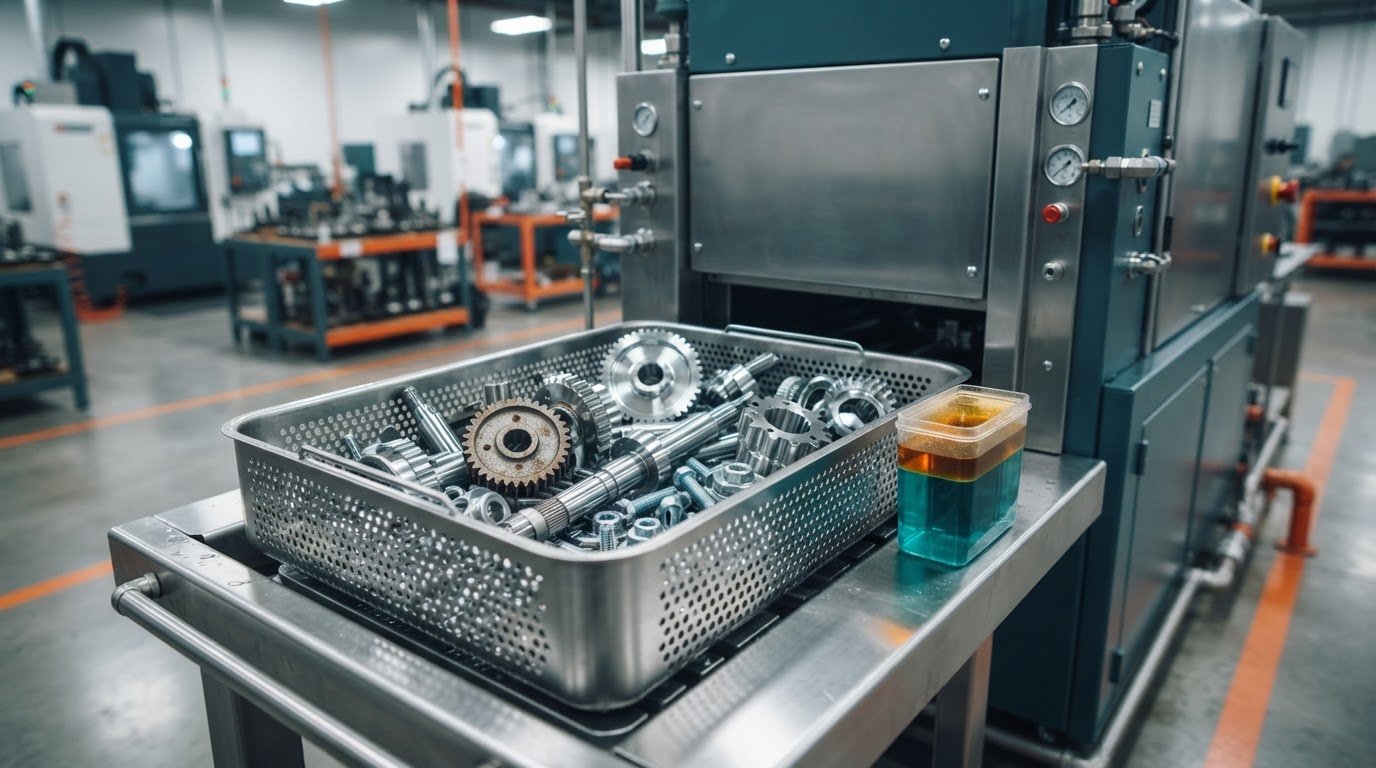
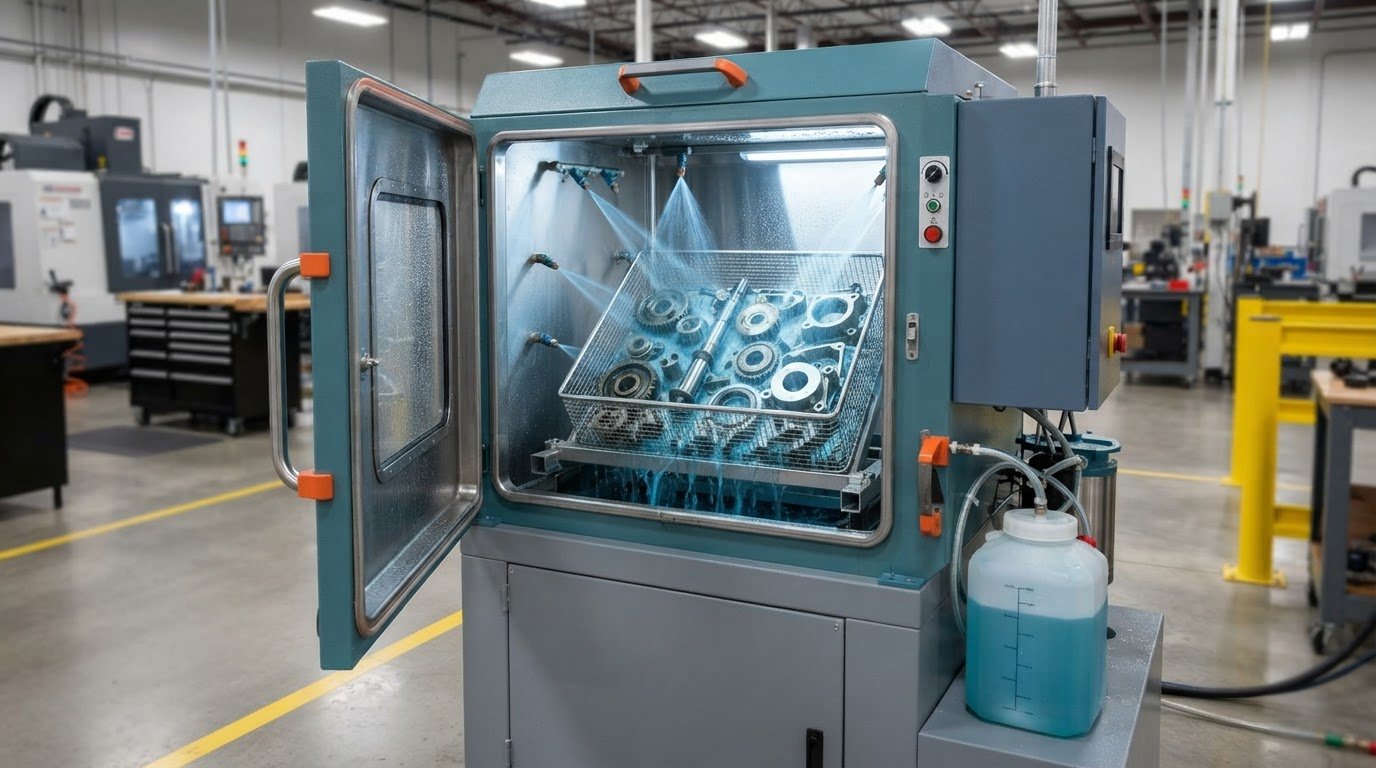
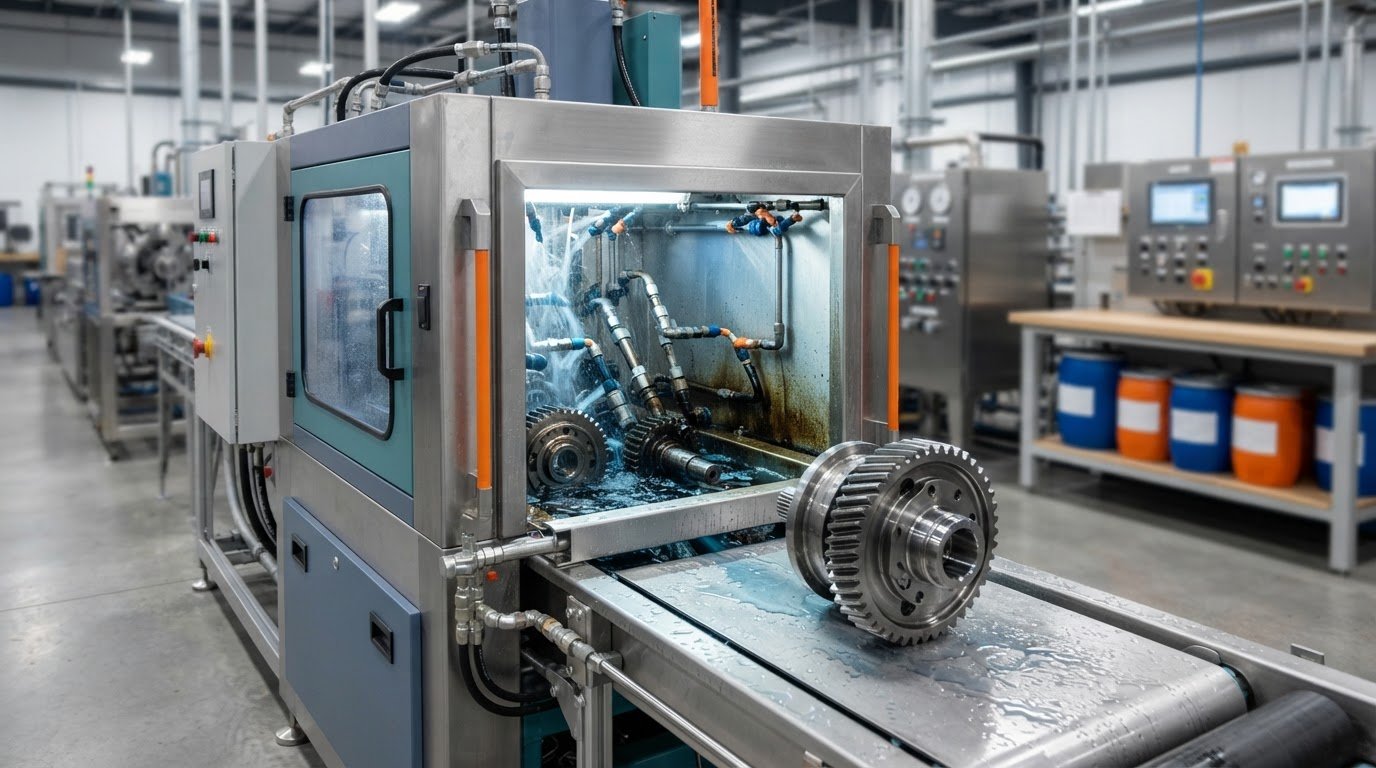
Parts washers support industrial cleaning in different ways and serve varied applications. For a general overview of parts washer technology and applications, consider how the equipment fits your operation. Then use the washer’s own records to guide a replacement request. Don’t rely on the brand name or visual resemblance alone.
When a Magido parts washer needs replacement parts
An interruption to cleaning operations may prompt a search for an equipment-specific replacement. Keep the request focused: identify the washer, describe the part as it appears in your records, and explain how the interruption affects the process. You don’t need to guess at the technical cause. The goal is to give the parts supplier useful context for narrowing the request.
Why model-specific fit matters
A part must match the specific washer and its intended application. Magido branding alone doesn’t establish that a replacement suits every model or configuration. Before requesting a part, gather the machine details available in your equipment records and documentation. That gives the sourcing process a firmer starting point than a general description or photograph alone.
Use this sequence to keep identification tied to the equipment:
- Identify the Magido washer using its available records or documentation.
- Record the model, serial information, and any other markings you can read.
- Describe the part using its documented name or visible markings. Don’t guess at a part number.
- Explain the operational need and include relevant photographs with the request.
Equipment records may be held by maintenance, procurement, or the team responsible for the washer. If information is incomplete, share what you have and distinguish recorded details from estimates. Don’t assume two washers use compatible parts just because they carry the same brand name.
Accurate machine identification makes a parts request more focused. The Global One Group supplies genuine and compatible replacement parts for Magido parts washers. Include the washer’s available details and the operational need to help focus the search.
How to Identify the Correct Magido Parts Washer Part
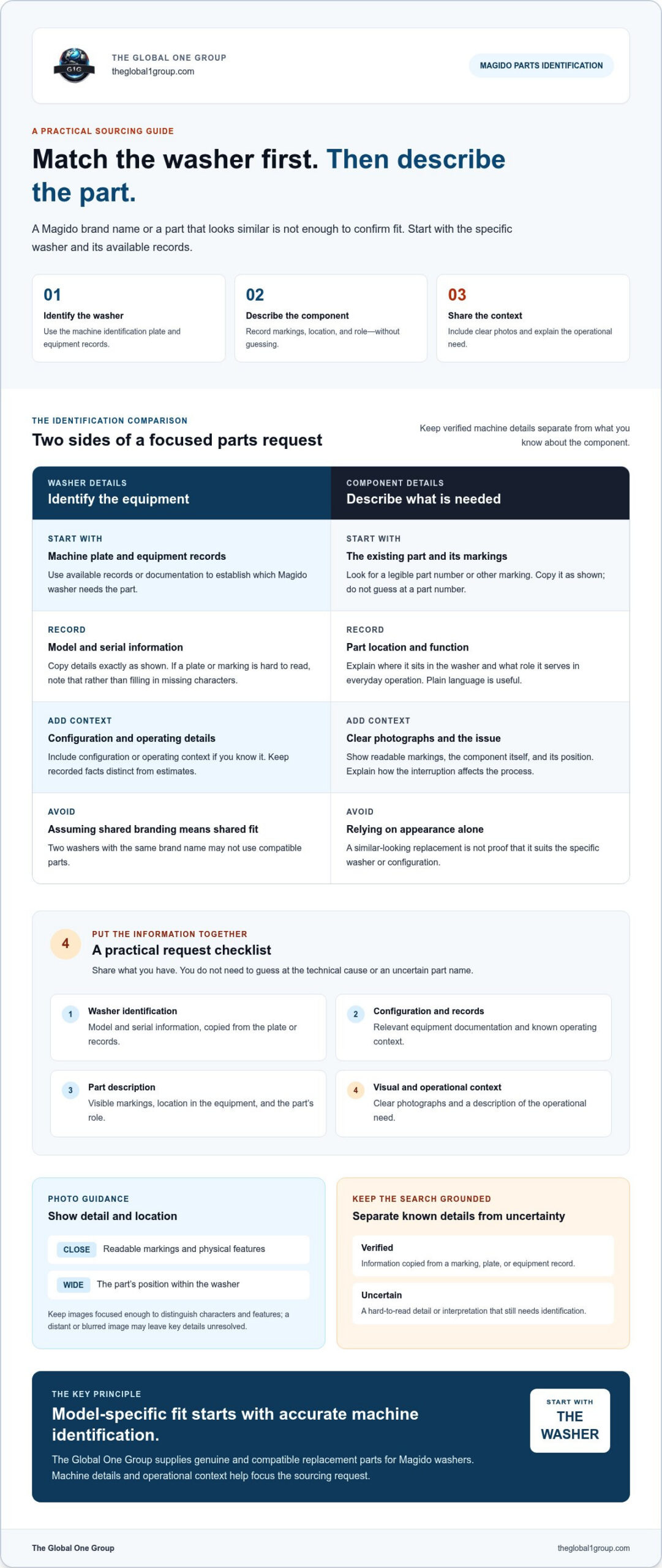
A focused parts request starts with the washer, not a guess about the replacement. Identify the machine, record its markings, describe the part and its role, then submit the details together. This gives the sourcing process useful context and separates what you know from what still needs identification.
Work through these steps in order:
- Identify the washer. Use the machine identification plate and equipment records to establish which Magido washer needs the part.
- Record available markings. Copy the model and serial information exactly as shown. Note any markings you can read on the existing part.
- Describe the part. Explain where it sits in the equipment and what role it serves in everyday operation. Use plain language if you don’t know its technical name.
- Submit the request. Include your recorded details, relevant photographs, and operational context so the request starts with a clear picture of the need.
Record the washer details before searching
Read the model and serial details from the machine identification plate, then compare them with any equipment records or documentation your facility keeps. Add configuration and operating context if you know them. Don’t assume that a shared brand or similar appearance means two machines use the same part. If a plate or marking is difficult to read, say so rather than filling in missing characters by guesswork.
Describe the part and its role in the equipment
Look for a legible part number or other marking on the existing component and record it as written. Then describe the part’s location and function in terms your maintenance or purchasing team will understand. For example, explain which area of the washer it belongs to and what it supports in the cleaning process. Keep uncertain names or interpretations separate from details you’ve verified.
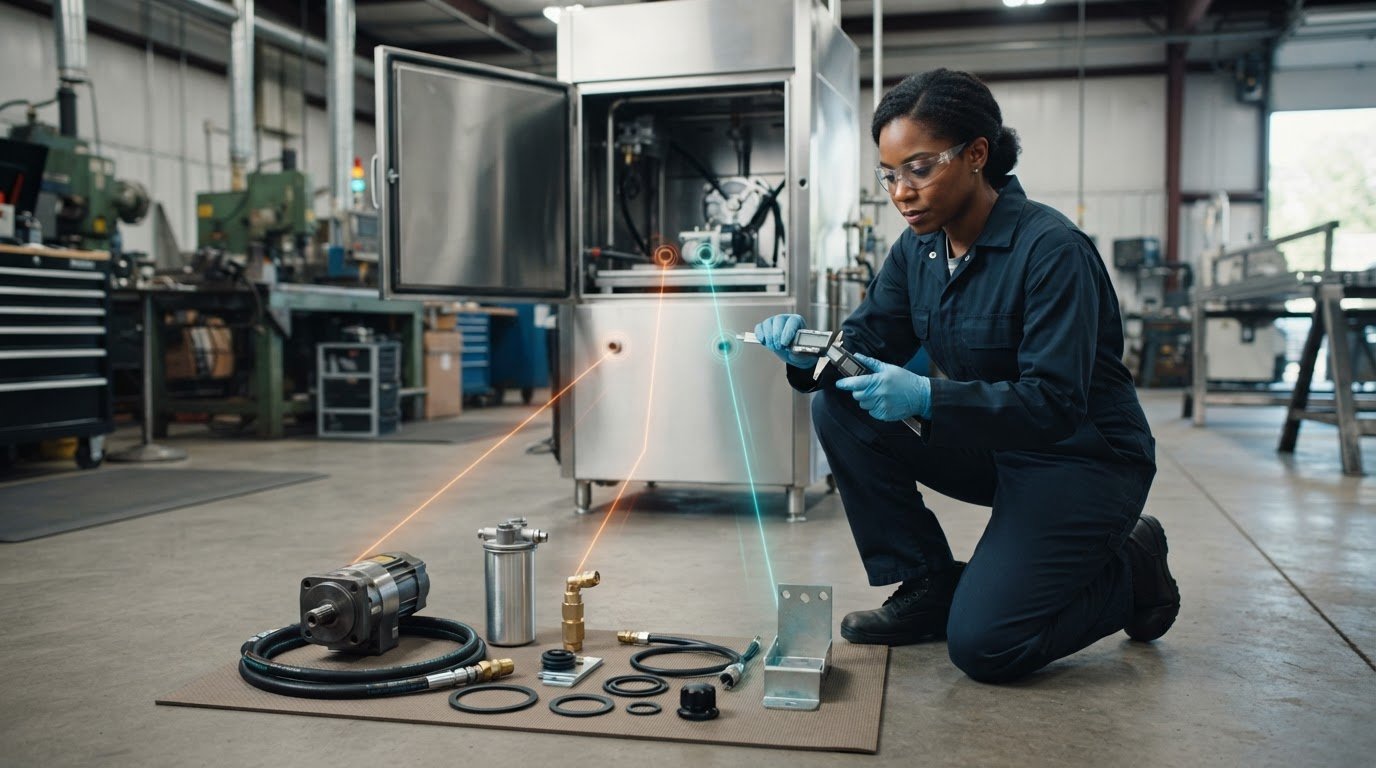
Photographs add useful visual context. Take focused images that show readable markings, the part itself, and its position within the equipment. Where practical, include a wider view for location and a closer view for detail. Make sure the images are clear enough to distinguish characters and physical features. A distant or blurred image may leave the key detail unresolved.
Before submitting a parts request, gather the washer model and serial details, configuration, part markings, clear photographs, part location, and operational need. This checklist gives a supplier a practical starting point without asking anyone to infer missing information.
Once you’ve assembled the details, share them with The Global One Group’s Magido parts team to source a suitable replacement. The Global One Group supplies genuine and compatible replacement parts for Magido washers. Complete equipment information helps focus the request.
Genuine vs. Compatible Magido Replacement Parts
Genuine and compatible describe different replacement options, but neither label alone establishes whether a part suits your washer. A genuine part is supplied as an original Magido replacement. A compatible part is intended to serve an application on the relevant equipment, but its suitability still depends on the specific washer and part. For either option, match the replacement to the machine and its intended function.
Assess the details, not just the label. Use the machine’s identification and documentation to frame the request, then compare the information available for each option. This keeps the decision grounded in model-specific fit and the maintenance requirement.
Documentation: A genuine option should be identifiable as a Magido replacement. For a compatible option, look for clear details about its intended application.
Machine-specific fit: Both options need to match the relevant washer model and configuration. Brand identification alone isn’t enough.
Intended function: Compare the part’s stated role with the function required by the equipment and maintenance task.
Sourcing clarity: A useful parts request should distinguish the option being considered and provide enough information to connect it to the machine.
What to assess when comparing part options
Start with the washer model and relevant configuration details. Compare the replacement’s available description or documentation with your equipment records and markings. Then consider the maintenance requirement: what function must the part serve in this specific application? Keep the comparison focused on those details. A broad description that doesn’t connect the part to the washer leaves important fit questions unanswered.
Clear documentation also helps maintenance and purchasing teams discuss the same option. Record whether the proposed replacement is genuine or compatible, along with its stated application and identifying information. Keep those details with the equipment records so the decision has a traceable basis for future parts requests.
Avoid assuming parts are interchangeable
Two parts can look similar and still differ in how they fit or function in an assembly. Appearance helps describe a part, but it doesn’t prove compatibility. Likewise, a shared manufacturer or brand family doesn’t establish that parts interchange between models. Don’t assume Magido and Fountain parts are interchangeable across equipment. Evaluate each part for the specific washer and application.
Use model-specific equipment documentation to support a compatibility decision. If the records don’t establish a match, state what is known and avoid presenting visual resemblance as proof. This is especially useful when evaluating industrial parts washer replacement parts across different equipment. The Global One Group supplies genuine and compatible replacement parts for Magido washers. Include the machine information and maintenance need when sourcing an option.
Prepare a Clear Magido Parts Request to Reduce Delays
A complete request helps focus the search on the equipment and operational need. It also gives maintenance and purchasing teams a shared record of what they’re sourcing. Gather the details before submitting an inquiry, and separate confirmed information from anything you’re unsure about. Clear context can reduce avoidable clarification and help narrow the request, though it doesn’t guarantee a specific turnaround.
Information to include with a parts inquiry
Bring together the machine identifiers, part details, and reason for the request. Use the machine identification plate and equipment records for model and serial information. If a marking is difficult to read, say so rather than guessing. For the part, provide any visible number or marking and clear photographs showing both the detail and its position on the washer.
- Machine: Magido model and serial details, plus configuration information where available.
- Part: Existing part number or markings, a plain-language description, and focused photographs.
- Application: What the washer supports in your operation and the role the part serves.
- Need: Whether the request responds to a current production interruption or routine maintenance planning.
Be direct about urgency. If the washer’s unavailability is interrupting production, explain the operational impact. For routine maintenance, identify the planned need so the request can be understood in context. Avoid promising a deadline or assuming that urgency alone determines timing. The purpose is to give the parts-sourcing team the clearest possible picture from the start.
Parts requests sometimes connect to a broader cleaning-process question. If you’re also reviewing the cleaning fluid used in the washer, include that context separately from the replacement-part details. The parts washing chemistries guidance can help frame that selection alongside your equipment needs.
Keep equipment records ready for future maintenance
Build a record that maintenance and purchasing can access without searching through disconnected files. Keep the machine identifiers, equipment documentation, previous parts requests, and relevant correspondence together. When the configuration or service history changes, update the record so future sourcing starts with current information rather than an outdated description.
A consistent record also helps teams distinguish a repeat request from a new requirement. Note which part was requested, which washer it related to, and the operational need at the time. These details give future inquiries useful history without treating an earlier selection as proof of universal compatibility.
For a Magido parts washer parts request, include the machine model and serial details, part markings, clear photos, application, and operational urgency. The Global One Group supplies genuine and compatible Magido replacement parts. Submit your Magido parts request with the available equipment details to move sourcing forward.
Source Magido Parts Washer Parts Through The Global One Group
The Global One Group supplies genuine and compatible replacement parts for Magido parts washers. As a Certified Master Distributor of Magido Cleaning Systems, the company supports industrial facilities sourcing parts for their equipment. Accurate washer and part details give the request a clear starting point and keep the discussion focused on the specific machine, component, and maintenance need.
Keep the request factual. Share what you can read or verify, and label anything uncertain rather than filling in gaps with a guess. A clear description of the equipment’s role in your operation also helps distinguish a part needed for an active production interruption from one planned for routine maintenance.
What to have ready before requesting a part
Gather the information that connects the component to the washer. You don’t need to know the technical name of every part, but avoid guessing at a part number when machine details are incomplete. Clear records and images give the parts inquiry useful context from the outset.
- Washer identification: Record the Magido model and serial details shown on the machine identification plate or in equipment records.
- Part identification: Include any legible part number or visible marking, and note if a marking is unreadable or absent.
- Photographs: Provide clear views of the part, its markings, and where it fits in the washer.
- Operational context: Summarize the washer’s application and the maintenance need, including whether production is affected or the request is planned.
This information supports a more focused sourcing conversation, but it doesn’t establish compatibility on its own. The replacement still needs to match the specific washer and intended application. Keep the request tied to equipment details rather than relying on a broad brand description or visual comparison alone.
Move from identification to a parts request
Once you’ve assembled the available information, submit your Magido parts inquiry through The Global One Group. Include the machine identifiers, part details, relevant photographs, and operational need in the same request. If some information is missing, explain what you do have and identify the gaps clearly. That gives the sourcing discussion a practical basis without introducing assumptions about the replacement.
For maintenance teams, this process also creates a useful reference for future requests. Keep a copy of the inquiry and equipment details with the machine’s records. When a similar need comes up, the team can build on documented information instead of starting from memory.
Ready to source a Magido replacement? Submit your Magido parts inquiry with the washer and part details you’ve gathered. The Global One Group supplies genuine and compatible Magido replacement parts, helping your team move from equipment identification to a clear next step in sourcing.
Make the Next Parts Request Easier to Act On
Make equipment identification a repeatable maintenance practice. Keep the washer’s records with its service history, and make sure the people responsible for maintenance and purchasing can access them. That way, a future request for magido parts washer parts can start with reliable machine information instead of scattered files or an estimate based on memory.
When a replacement need arises, share the details you’ve gathered and explain how the equipment supports your operation. Clear, consistent communication gives the sourcing process a practical starting point and helps your team move toward the right next step without relying on assumptions.
Ready to put your request in motion? Request Magido parts washer parts from The Global One Group. Prepare the available machine and part information, then submit your inquiry so your team can focus on restoring the cleaning workflow.
Frequently Asked Questions
Are Magido parts washer parts interchangeable between different models?
Not automatically. A part used on one Magido washer may not suit another model or configuration, even if the machines appear similar. Treat each request as specific to the equipment in question, and rely on model-level documentation rather than visual comparison or brand name alone. If your facility has multiple washers, keep their records separate so a request doesn’t accidentally use details from the wrong machine.
Can compatible replacement parts be used in a Magido parts washer?
Yes, a compatible replacement can be an option when it’s identified for the specific washer and intended application. “Compatible” doesn’t mean universally suitable for all Magido equipment. Compare the part’s stated application with the machine’s documentation and maintenance requirement. The Global One Group supplies genuine and compatible replacement parts for Magido washers, giving facilities options to consider against their equipment details.
How do I identify a Magido parts washer if the model plate is hard to read?
Use other reliable records to help identify the machine. Check equipment files, purchase paperwork, previous parts inquiries, or maintenance records for model and serial details. You can also capture a clear image of the plate and the washer as a whole, then share what remains legible. Mark unreadable characters as unknown. Guessing a digit or letter could point the request toward a different machine.
What should I do if I cannot find a part number on my Magido washer?
A missing part number doesn’t prevent you from describing the part. Note where it sits, what it does in the washer’s operation, and any visible markings or distinguishing features. Photograph the component and its surrounding area, and include the machine’s available identification details. Avoid creating a part number from memory or appearance. A clear description can help narrow the sourcing inquiry even when the number isn’t available.
Can Magido parts washer parts be used in Fountain equipment?
Don’t assume a Magido part fits Fountain equipment, or the reverse. The Global One Group supplies replacement parts for both Magido and Fountain washers, but that doesn’t make their components interchangeable. Identify the machine’s brand and model, then base a compatibility decision on documentation for that specific equipment and part. Keep the two brands’ records distinct when managing parts across a facility.
Does replacing a worn part always restore parts washer performance?
No. Replacing a part addresses that component, but it doesn’t guarantee the washer will return to its previous performance. The cleaning result may depend on factors beyond the replacement itself, including the washer’s operating condition and the cleaning process. If performance remains below expectations after a part change, document the result and review the equipment and process information with the maintenance team instead of assuming another replacement will resolve it.
What information should I provide when requesting Magido replacement parts?
Provide the washer model and serial details you can read, its configuration if known, and any markings on the existing part. Add clear photographs, a plain-language description of the part’s location and role, and the operational need behind the request. Note whether the machine is affecting current production or the request supports planned maintenance. This context helps The Global One Group focus the inquiry on the right equipment.