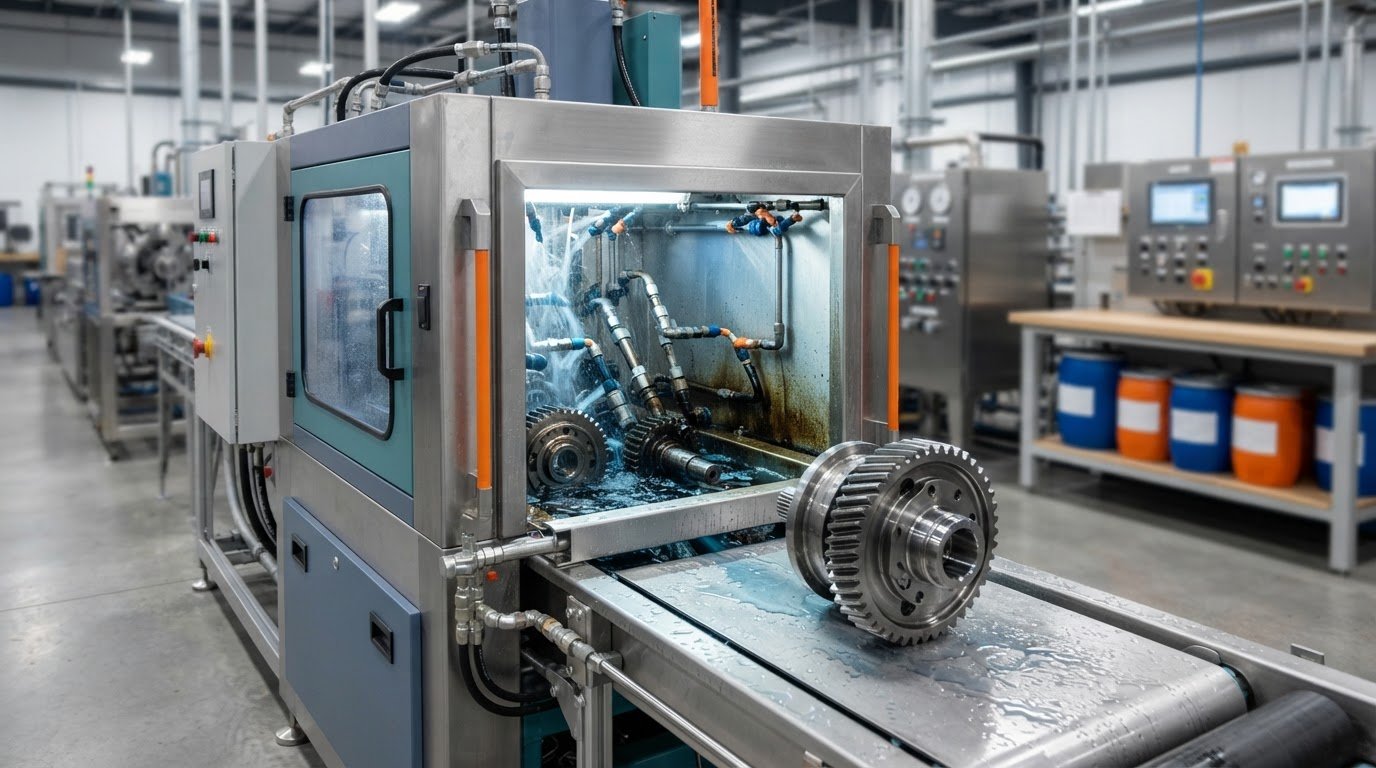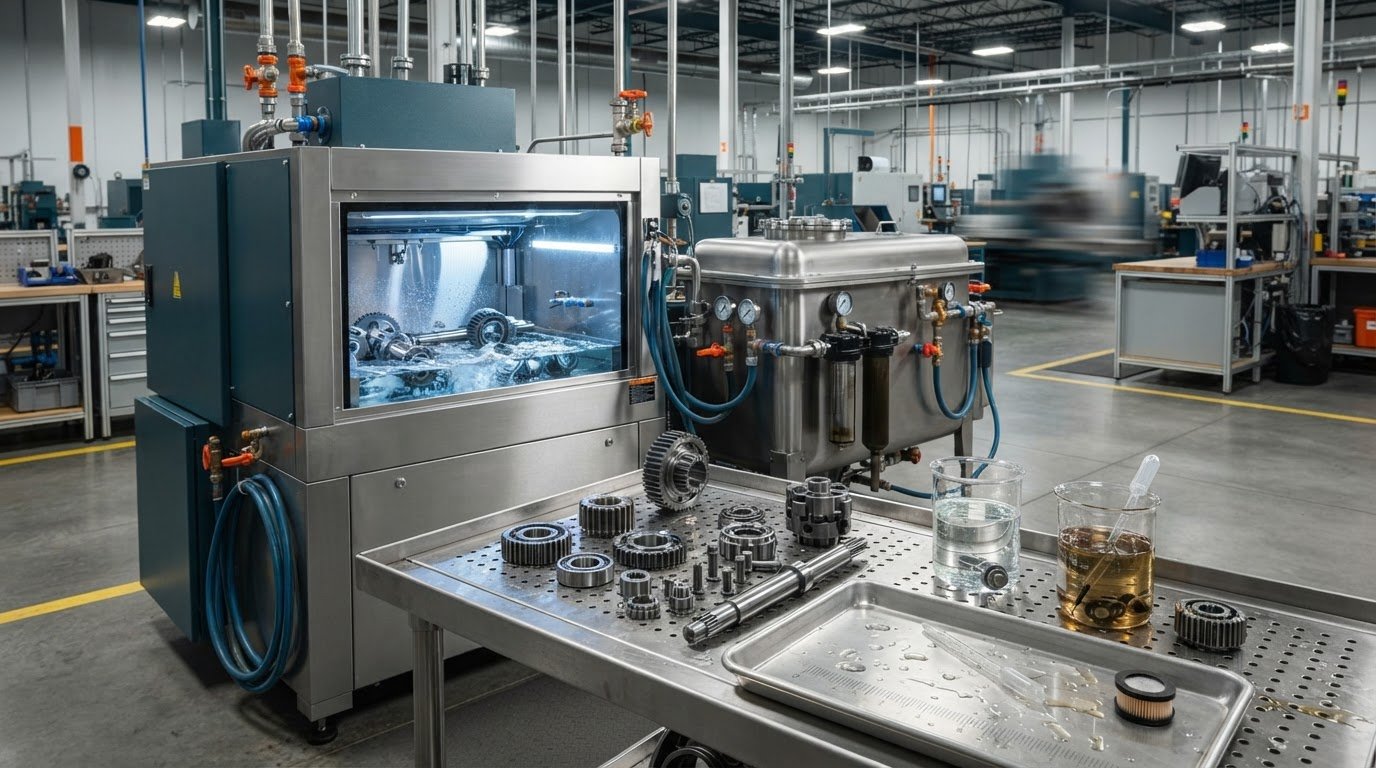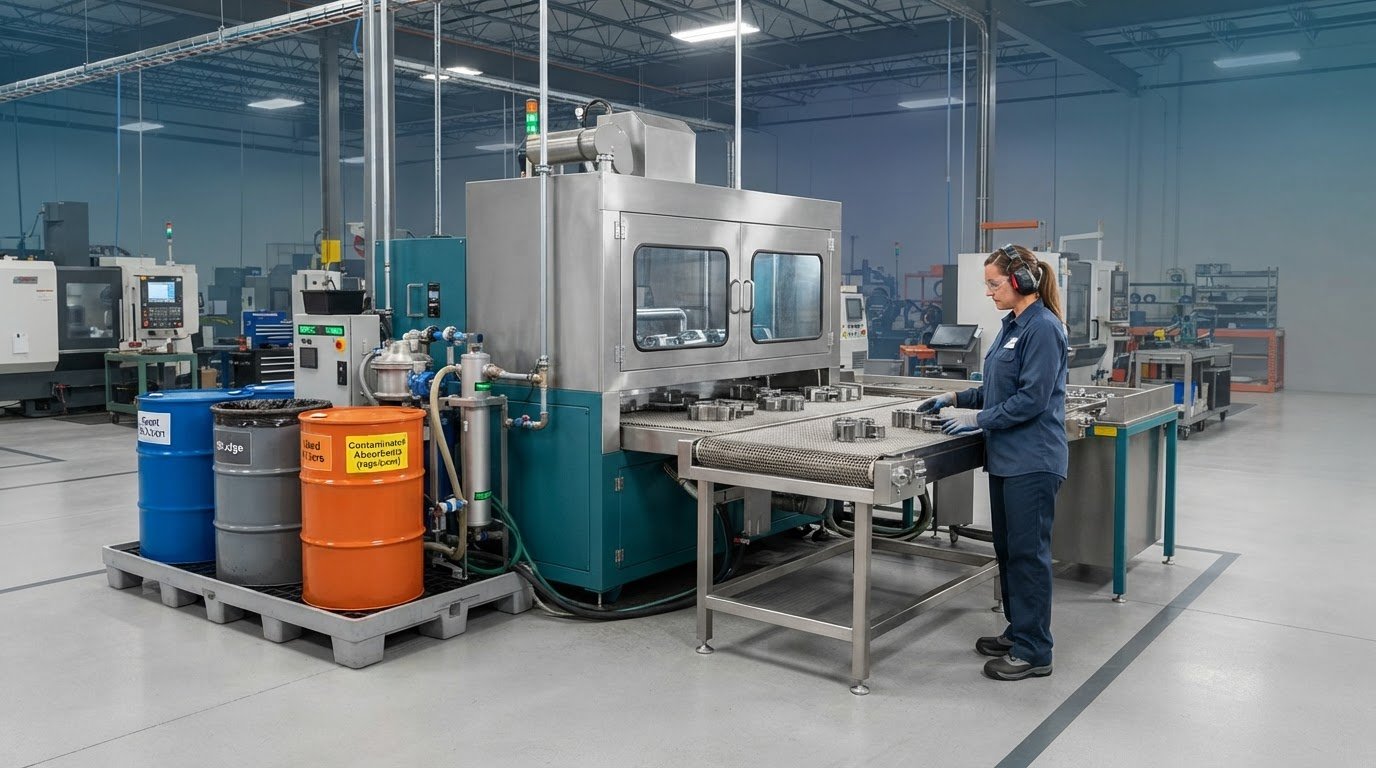
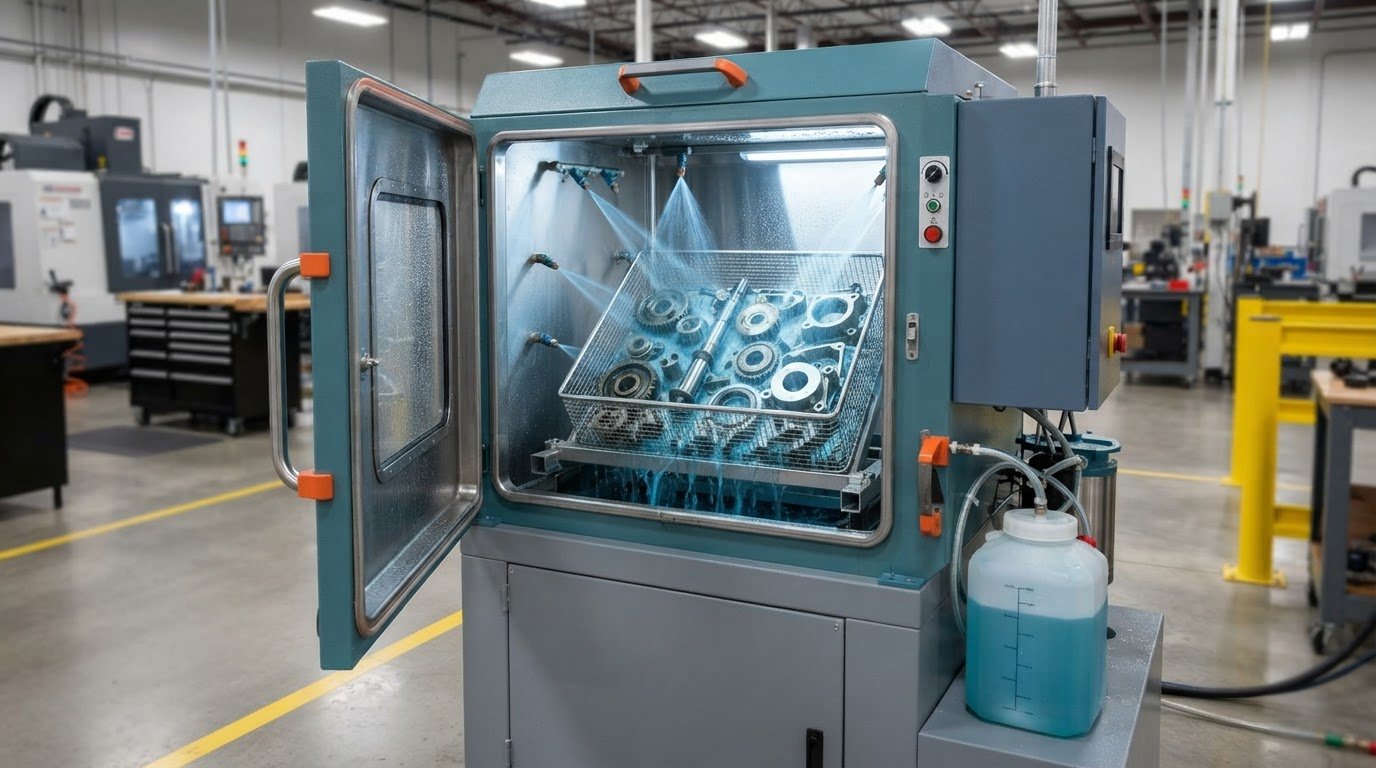
Foam can turn a reliable parts washer into a production bottleneck. It can disrupt spray coverage, obscure the wash zone, and make machine operation less predictable. A low foaming parts washer detergent may help, but changing chemistry before identifying the cause can leave the real problem untouched.
Detergent needs to clean effectively without creating excess foam. Foam can come from several sources, including detergent concentration, water conditions, the soil on incoming parts, or the washer’s operating setup. Changing one variable without checking the others can create new cleaning or residue problems.
This guide explains how to identify likely causes, then match detergent characteristics to your washer, contaminants, and operating conditions. It also shows how to assess cleaning results, foam behavior, and bath condition through a repeatable process. These checks help you make an informed chemistry change while keeping cleaning performance and dependable wash-bay operation in focus.
Key Takeaways
- Excess foam can disrupt spray coverage, visibility, and consistent washer operation.
- Check chemistry, concentration, water, soil, and mechanical agitation before changing the process.
- Choose a low foaming parts washer detergent that fits the washer, parts, soils, and operating conditions.
- Test one change at a time, tracking cleaning results alongside foam, residue, rinsing, and bath condition.
- Use a consistent monitoring routine so operators can spot changes early and respond to persistent issues.
Why Low-Foaming Parts Washer Detergent Matters in a Spray Wash Process
Excess foam can interfere with the spray pattern, hide parts from view, and make wash results less consistent between cycles. In a high-pressure spray washer, that can make it harder to tell whether the cleaning process is reaching the surfaces that need attention. Foam deserves investigation, but it doesn’t automatically mean the detergent is wrong or the parts aren’t getting clean.
Foam forms when gas becomes dispersed in liquid, creating bubbles that can persist to different degrees depending on the chemistry and conditions. For a foundational overview of the science of foam, consider how bubble formation differs from the detergent’s work of loosening and carrying away soil.
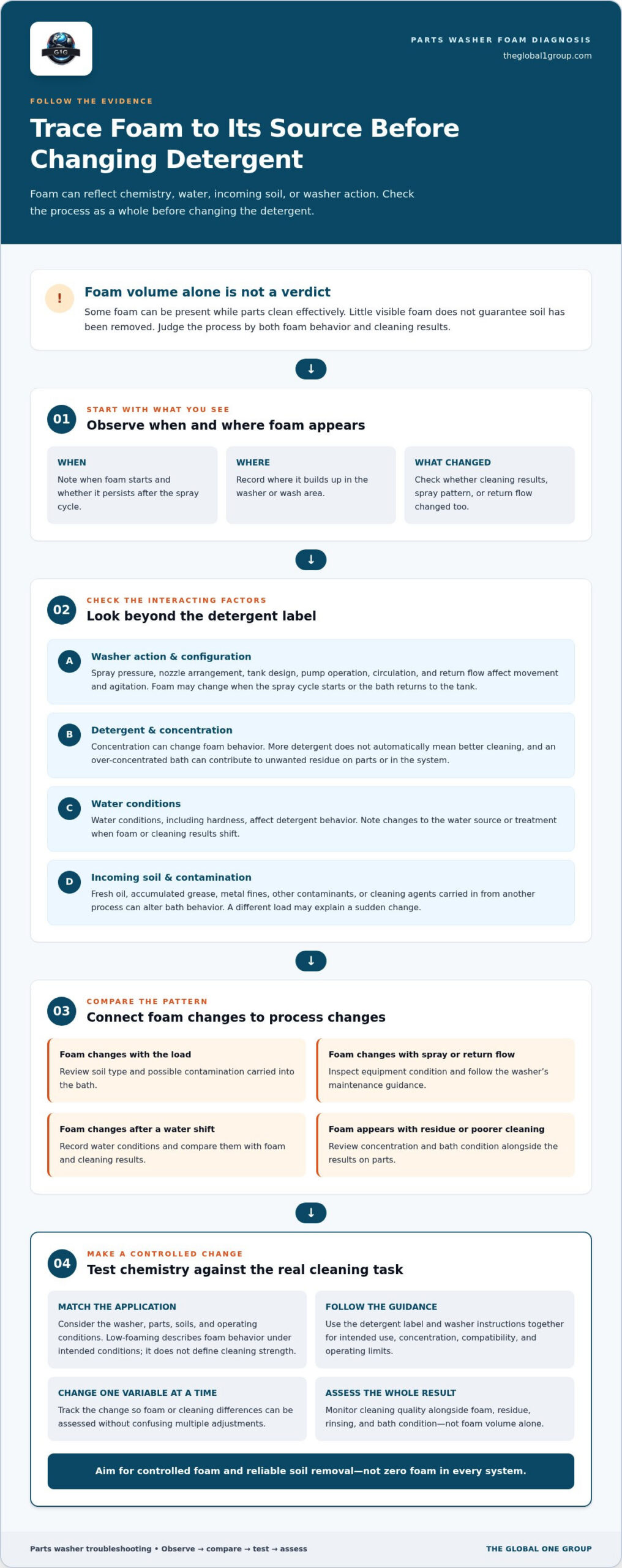
Low-foaming detergent limits persistent foam under its intended operating conditions; it doesn’t define cleaning strength. The goal is controlled foam and reliable soil removal, not zero foam in every system. A low foaming parts washer detergent needs to work with the machine, parts, and cleaning task.
What does low-foaming parts washer detergent do?
Detergent helps loosen process soils so the washer’s spray and circulation can carry contaminants away from part surfaces. Its formulation affects how it wets surfaces, interacts with soil, and produces or releases foam. Concentration, water conditions, temperature, and mechanical action also affect what operators see in the tank and wash area. Suitability depends on the washer and the job, not on a “low foam” label alone.
Why can too much foam disrupt a parts washer?
Foam can obstruct spray delivery or collect where it limits an operator’s view of the wash process. If it changes how consistently the spray reaches the load, cleaning results may vary between cycles. The effect depends on washer design, pressure, return flow, and operating conditions. A brief foam layer doesn’t prove a failure, and foam doesn’t automatically damage equipment. Watch where it builds up and whether spray action or cleaning results change.
Judge detergent performance by the outcome on the parts, not by foam volume alone. A machine may produce some foam while still cleaning effectively; a bath with little visible foam may still leave soil behind. Track both foam behavior and cleaning quality as you assess the process. This helps operators avoid solving a visible symptom at the expense of dependable soil removal.
How Washer Design, Soil, and Operating Conditions Create Foam
Foam rarely points to one cause by itself. Its behavior reflects the interaction between detergent chemistry, concentration, water, the soils entering the bath, and the washer’s mechanical action. A change in any one of these can alter how much foam forms, how long it lasts, and where it collects. Evaluate a low foaming parts washer detergent in the actual machine and cleaning process, not in isolation.
How spray action and washer configuration affect foam
Spray pressure affects how forcefully liquid strikes parts and returns to the tank. That movement can entrain air and increase agitation, while the return path can disperse or concentrate foam. The effect depends on nozzle arrangement, tank design, pump operation, and circulation. A setting that works in one washer may not suit another, so use the equipment instructions for operating limits rather than applying a universal pressure or temperature target.
Consider the washer’s design before comparing foam behavior across machines. Spray cabinets, immersion systems, and other configurations expose chemistry to different levels and patterns of movement. Focus on the installation in use: note where foam appears and whether it changes when the spray cycle starts, the load changes, or the bath returns to the tank.
How detergent concentration, water, and soil change foam
More detergent doesn’t automatically mean better cleaning. An over-concentrated bath can change foam behavior and leave unwanted residue on parts or in the system. Water conditions matter too. Hardness can affect detergent behavior, so compare foam and cleaning results when the water source or treatment changes.
Soil loading shifts over time. Fresh oil, accumulated grease, metal fines, and other contaminants can change bath behavior as they enter the solution. A sudden foam change after processing a different load may point to a change in soil or contamination rather than a detergent problem. Cleaning agents carried in on parts or from another process can also affect the bath.
Separate chemistry effects from process changes. Record detergent concentration and water conditions, then note the load type, foam location, and cycle stage. If foam changes alongside a shift in spray pattern or return flow, inspect the equipment condition and follow its maintenance guidance. Don’t adjust machine settings beyond the manufacturer’s instructions to compensate for foam.
Use the detergent label and washer guidance together. They establish the intended use, concentration, and compatibility considerations for the chemistry and equipment. The Global One Group’s parts-washing solutions bring together industrial washers and cleaning chemistry for demanding cleaning tasks.
How to Diagnose Foam Before Changing Parts Washer Detergent
Don’t replace the detergent based on foam alone. First determine when the foam appears, where it collects, and whether cleaning performance has changed. A simple record can help distinguish an immediate operating symptom from a chemistry, bath, or equipment issue, and prevent a switch that creates residue or cleaning problems.
Work through the diagnosis in order:
- Observe: Note when foam starts, where it builds up, and whether it persists after the spray cycle.
- Check: Review detergent concentration, bath condition, water changes, soil load, and recent process or equipment changes.
- Isolate: Compare observations with established process records and detergent instructions. Look for changes that occurred around the same time as the foam.
- Test: Change one variable at a time, then compare foam and cleaning results under consistent conditions.
Which signs point to chemistry or bath conditions?
Look for a clear connection between foam and a detergent refill, concentration adjustment, water change, or different soil load. Record the bath’s appearance, foam location and persistence, and whether parts come out with different cleanliness or residue. Compare each observation with detergent instructions and prior process records. If you change concentration or chemistry, keep other conditions steady so you can assess the effect.
Which signs call for an equipment and process check?
Check whether spray flow, return flow, filtration, or normal washer operation has changed. Note unusual aeration, visible blockages, or a change in how liquid returns to the tank. These observations don’t prove a component has failed, and foam alone isn’t a reason to replace parts or alter machine settings. Record what you see and route equipment concerns through the established maintenance process and washer guidance.
Keep the check practical. For each test, record the load type, detergent concentration, bath condition, operating conditions, foam behavior, and cleaning outcome. If you can’t link the foam to one change, continue isolating variables rather than making several adjustments at once. This gives operators and maintenance staff a shared record and supports a more informed detergent decision. For more on matching cleaning chemistry to a task, read this guide to parts washing chemistries.
How to Select and Test Low-Foaming Parts Washer Detergent
Choose detergent for the cleaning task, not foam appearance alone. A low-foaming formula still needs to remove the target soils, work in the washer’s operating conditions, and leave parts suitable for their next step. Use this checklist to narrow the options:
- Washer type: Match the chemistry to the machine and its circulation or spray process.
- Target soils: Identify what the bath must remove, such as oil, grease, or machining residue.
- Part materials and geometry: Consider material compatibility and whether blind holes, recesses, or other features affect cleaning and drainage.
- Process conditions: Follow equipment and detergent instructions for concentration, temperature, and operating limits.
- Required outcome: Define acceptable cleanliness, residue, and rinsing needs before testing.
Different soils and parts can call for different chemistry, so don’t assume one detergent suits every load. For heavy-duty degreasing, identify the soil to remove and the materials being cleaned, then compare those requirements with the detergent’s stated use. For a water-based system, also consider how its operating conditions and rinse requirements fit the process.
Run a controlled detergent performance trial
Establish a baseline before making a change. Record cleaning results against your facility’s inspection criteria, along with foam behavior, bath condition, cycle consistency, and any residue or rinsing concerns. Keep the load and operating conditions as consistent as practical, then change one variable at a time. Follow the detergent and equipment instructions for concentration, temperature, and compatibility throughout the trial.
After each change, compare the same observations with your baseline. Does foam collect in the same place or persist for the same period? Do parts meet inspection requirements, and have residue or rinsing effort changed? Record the results rather than relying on a quick visual impression. Adopt a detergent or process change only when it controls foam while maintaining the required cleaning outcome and manageable bath maintenance.
Use the trial findings to guide chemistry selection alongside washer and part requirements. Explore industrial parts-washing chemistries suited to your cleaning process.
Keep Foam Controlled with a Chemistry and Maintenance Routine
Stable washer performance takes routine checks, not one-time detergent adjustments. Have operators record observations during regular use, and assign a lead to review trends and coordinate follow-up with maintenance. Consistent records help the team spot gradual bath changes and distinguish them from sudden process shifts.
What should operators record during routine checks?
Use the same observations each time so records stay useful across shifts. Track detergent additions and concentration checks alongside foam behavior, bath appearance, and inspection results for cleaned parts. Also note changes in water, soil type or load, and washer operation. A brief record of where foam forms and whether cleaning or residue changes can reveal patterns that memory alone may miss.
When should a detergent or process change be reviewed?
Review a persistent foam pattern alongside cleaning quality, bath condition, and the washer’s operating instructions. If the issue returns or cleaning results shift, escalate it with the recorded observations instead of guessing at a chemical adjustment. Reassess the chemistry match when part materials, soils, or production requirements change.
Don’t add a defoamer or alter detergent concentration without checking compatibility and following process guidance. Either change can affect cleaning or leave unwanted residue if it doesn’t suit the detergent, washer, and parts. Test changes deliberately, document the outcome, and keep the established inspection criteria in view.
A suitable low foaming parts washer detergent supports dependable cleaning, but chemistry works as part of the whole wash-bay process. Pair it with consistent bath monitoring and equipment care to keep foam, cleaning results, and chemistry use under control. Explore industrial parts-washing solutions for chemistry and equipment options aligned with your cleaning operation.
Build a More Reliable Wash Process
Control foam by finding its cause before changing chemistry. Washer mechanics, detergent concentration, water conditions, and soil loading can all affect foam, so use process observations to guide the response rather than judging by foam volume alone.
Choose a low foaming parts washer detergent that fits the washer, parts, soils, and operating conditions. Then test changes methodically. Track cleaning results, foam behavior, residue, and bath condition to protect cleaning performance while improving process consistency.
The Global One Group supplies specialized parts-washing chemistries, industrial parts washers, and Magido and Fountain replacement parts. Treat chemistry and equipment as connected parts of dependable wash-bay operation.
With a clear baseline and a repeatable routine, your team can make informed adjustments and keep the washer working toward the results your operation needs.
Frequently Asked Questions
What is low-foaming parts washer detergent?
Low-foaming parts washer detergent is chemistry formulated to limit persistent foam under its intended operating conditions while helping loosen and remove soils from parts. “Low-foaming” describes foam behavior, not cleaning strength. The right detergent must suit the washer, parts, soils, and process. Some foam may still occur, so assess performance by checking both foam behavior and whether cleaned parts meet your inspection requirements.
Why is my parts washer detergent foaming too much?
Excess foam can result from detergent concentration, water conditions, changing soil loads, or mechanical agitation. A new detergent refill, a different batch of oily parts, or a change in spray or return flow may affect foam behavior. Record when foam starts, where it collects, and whether cleaning results change. Compare those observations with process records before changing chemistry or adjusting the machine.
Does low-foaming detergent clean as well as regular detergent?
It can clean effectively, but the label alone doesn’t establish performance in your process. Cleaning depends on how the detergent matches the target soils, part materials, washer design, and operating conditions. Test it against your current baseline using consistent loads and inspection criteria. Track soil removal alongside foam, residue, rinsing needs, and bath condition before deciding whether the change maintains the required cleaning outcome.
How do I choose a low-foaming parts washer detergent?
Match the detergent to the washer, target soils, part materials, and process conditions. Identify what you need to remove, such as oil or machining residue, and define acceptable cleanliness and residue before testing. Follow the equipment and detergent instructions for concentration, temperature, and compatibility. Run a controlled trial, changing one variable at a time, and compare results with your facility’s inspection criteria and process baseline.
Can I add defoamer to my parts washer?
Only use a defoamer when the detergent and equipment guidance supports its compatibility with the bath and cleaning process. Adding one without that guidance can affect cleaning results, rinsing, or residue. First document foam behavior, bath condition, and cleaning quality, then review the observations against established instructions. Don’t use defoamer to mask a possible concentration, contamination, water, or equipment issue without identifying the cause.
How often should I check parts washer detergent concentration?
Follow the detergent instructions and your washer’s operating guidance for concentration checks. Set a consistent monitoring schedule that reflects how the equipment and bath are used, and record detergent additions and readings using the same method. Recheck after a refill or process change when your procedure calls for it. Consistent records help identify concentration drift and distinguish it from foam changes linked to water, soils, or equipment operation.
Can hard water cause foam in a parts washer?
Hard water can change how detergent behaves, so it’s a factor to investigate when foam patterns shift. It may not be the only cause: concentration, soil loading, and mechanical agitation also influence foam. Record water changes alongside foam location, bath condition, and cleaning results. Compare observations under consistent operating conditions, and use detergent and equipment guidance to determine whether the water conditions suit the chemistry.